
B2B packaging direct from the importer

Sustainable Stand-Up Pouches – Doypack Packaging With a Real Environmental Footprint

Sustainable stand-up pouches across the full range: recycled PCR films, bio-based Bio-PE from sugarcane, mono-material constructions for full recyclability and kraft paper doypacks. For brands that want a genuine environmental footprint instead of greenwashing.

Further variants in this packaging family: stand-up pouches overview, sustainable stand-up pouches (with PCR recyclate) as well as recyclable stand-up pouches (mono-material) – each with its own specialisation in material, format or application.

Related ranges for other application areas: sustainable packaging, sustainable ziplock bags as well as sustainable block bottom bags.

Direct from the importer since 1972, shipped from our German warehouse – free samples, data sheets and graduated prices with no minimum order value.

01

What does “sustainable stand-up pouches” mean?

“Sustainability” in packaging is not a clearly defined term but a bundle of different strategies that all pursue the same goal: less environmental impact per packaged product. With stand-up pouches you have four key routes available. First: recycled films (PCR – post-consumer recyclate) that have already been used once and now get a second life as packaging. Second: bio-based raw materials such as Bio-PE from sugarcane, which binds CO2 from the atmosphere during its growth. Third: mono-material constructions (pure mono-PE or mono-PP) that can remain in the recycling loop via kerbside collection after use. Fourth: kraft paper-based doypacks with a minimal film content for heat sealing.

Ideally, several approaches can be combined: a mono-PE doypack with 80% PCR content is recycled and recyclable at the same time. A Bio-PE stand-up pouch with a mono-material construction is bio-based and recyclable. Which variant best suits your product depends on the protection requirement (aroma, moisture, UV), the brand claim and the target audience. Organic-certified food brands often rely on bio-based solutions, classic cosmetics brands on PCR recycled films.

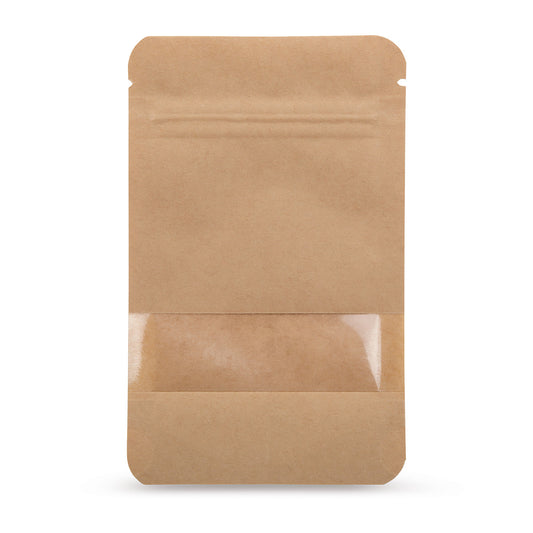
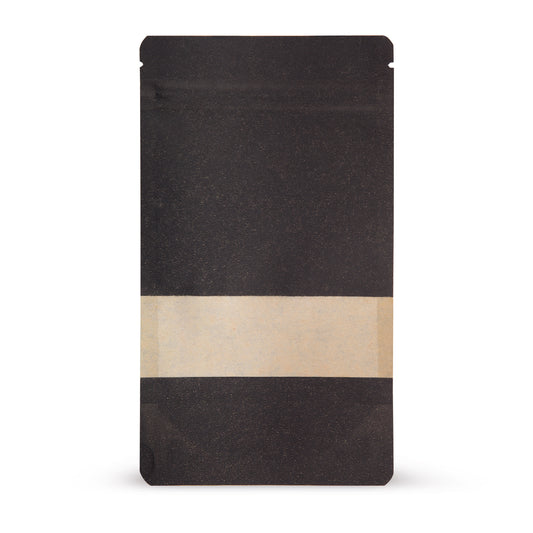
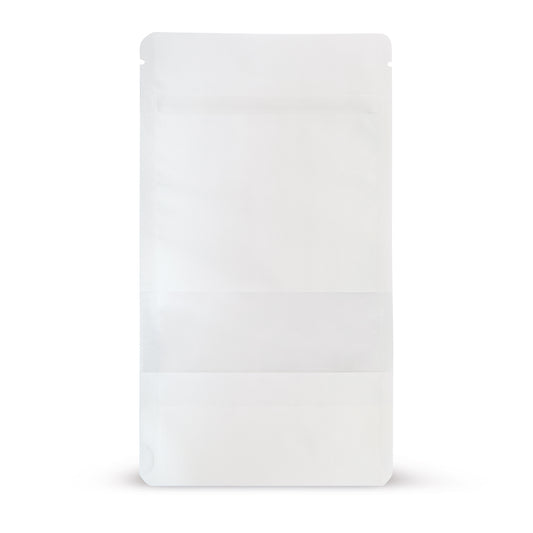
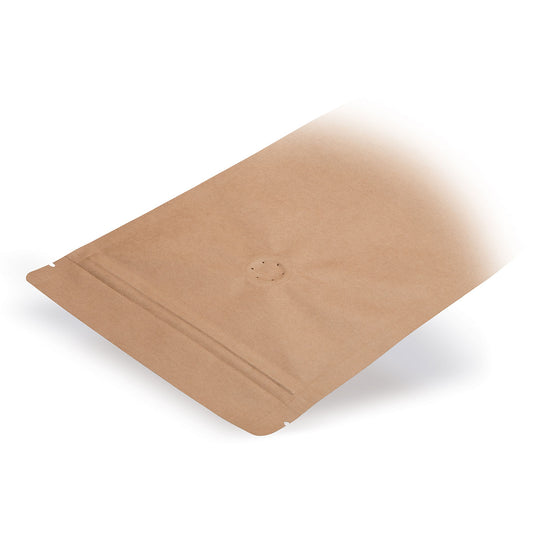
Our range of sustainable stand-up pouches covers all four routes. You will find mono-material doypacks for food and cosmetics, bio-based Bio-PE pouches, PCR recycled films with GRS certification and kraft paper doypacks with a natural look. All variants are available food-grade and can be combined with a zip, a window or an aroma protection valve.

02

Where do sustainable doypacks pay off?

  • Organic and natural food brands: the packaging must convey the organic credentials
  • Natural cosmetics & care products: an ecological message even in the secondary packaging
  • Refill and reusable concepts: mono-material doypacks support the circular economy
  • Vegan & climate-neutral products: bio-based Bio-PE rounds off the profile
  • Artisan food producers: smaller runs with high brand value
  • Brands with ESG reporting obligations: verifiable GRS or ISCC certificates provide the evidence
03

Which sustainable variant is the right one?

  • Sustainable stand-up pouches with PCR recyclate (GRS-certified): when the recycled content is the priority
  • Stand-up pouches made of Bio-PE sugarcane: when being bio-based and CO2-advantageous is decisive
  • Recyclable stand-up pouches (mono-material): when the packaging should return to the loop after use
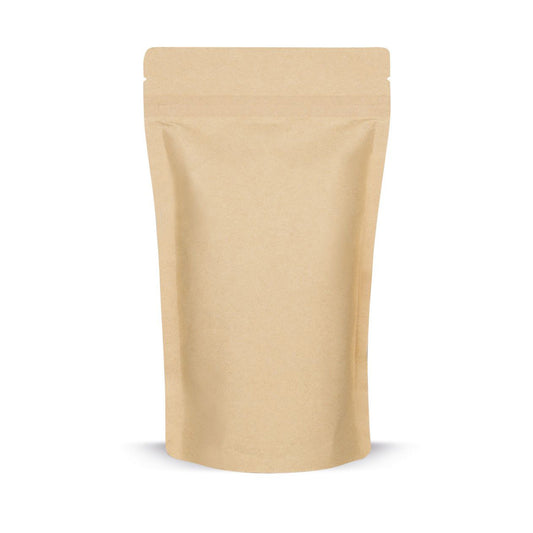
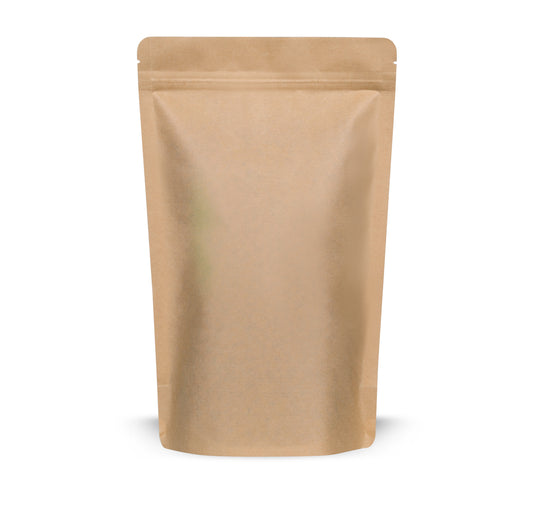
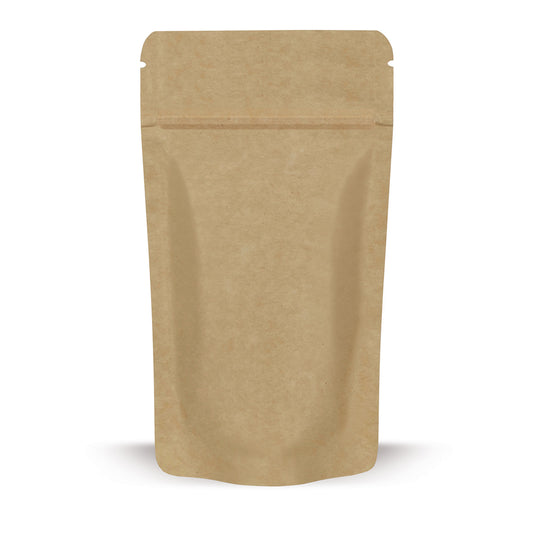
  • Stand-up pouches made of kraft paper: when the tactile and visual natural look matters
  • Compostable stand-up pouches (PLA composite): when industrial composting is built into the distribution concept
  • Combination variants: e.g. mono-PE with PCR content – best of both worlds
04

Why buy sustainable doypacks from Elke Plastic

We have been importing packaging bags since 1972 and have known the market for sustainable films since its very beginnings. For you this means: honest advice instead of greenwashing phrases. We tell you clearly which variant delivers genuine environmental added value, which certificates stand up to scrutiny and which claims you can communicate in a legally watertight way. This protects not only the environment but also your marketing budget and your risk of warning notices.

Our range of sustainable stand-up pouches is wide – without you having to commit to large runs. We pool import volumes so that artisan producers and start-ups can also obtain premium sustainability films on fair terms. No minimum order value. B2B customers benefit from graduated prices for larger volumes.

Shipping is from our German warehouse with short distances. We supply recycled shipping boxes and paper-based void fill, so that the delivery route also fits your sustainability strategy. Free samples for material testing are a matter of course – test different variants before you decide on a main run.

08

Shipping & Terms

Shipping from our German warehouse. Standard goods are usually available immediately; custom printing is scheduled individually within the delivery time frame. All customers – B2B and B2C alike – receive graduated prices (no minimum order value) for bulk packs. Free samples via our enquiry form.

Frequently asked questions about sustainable stand-up pouches

What's the difference between sustainable, recycled and recyclable for Doypacks?

*Sustainable* is the umbrella term and can cover various strategies. *Recycled* means the bag is (partly) made from reprocessed used plastic (PCR). *Recyclable* means the bag can be returned to the recycling stream after use. Ideally, a package is both – recycled and recyclable.

Which Doypack is the most sustainable?

There’s no one-size-fits-all answer. For aroma-sensitive products, a mono-PE Doypack with PCR content is usually the best choice. For dry products without high barrier requirements, kraft paper Doypacks can be ideal. Bio-PE scores well on carbon footprint. We’ll help you find the right option for your product.

What is GRS and why does it matter?

GRS stands for Global Recycled Standard – an internationally recognized certification that provides complete proof of a package's recycled content. Brands advertising recycled content should require GRS documentation – otherwise they risk accusations of greenwashing.

Are bio-based Doypacks (bio-PE) compostable?

No. Bio-PE made from sugar cane is chemically identical to conventional PE and is not compostable. However, it is recyclable like regular PE and scores well on carbon footprint, since plant growth binds carbon. Only PLA composites certified to EN 13432 offer genuine compostability.

Can I print on sustainable Doypacks?

Yes, with water-based or mineral-oil-free inks – this preserves recyclability. FSC, GRS and organic logos may be printed provided the corresponding certificates are in place. For smaller runs, labeling with self-adhesive recycling labels is often the more flexible solution.

How much CO2 do I save with sustainable Doypacks?

CO2 savings vary depending on the variant. PCR films typically save 30–50% compared to virgin material. Bio-PE can even be carbon-negative over its full life cycle. We provide cradle-to-gate data sheets from our manufacturers on request.

Are sustainable Doypacks food-safe?

No, not across the board. Bio-PE and mono-material Doypacks made from virgin material are available food-safe to EU 10/2011. PCR/recyclate variants are currently still in the testing phase for food safety and are not currently approved for direct food contact.

What does a sustainable Doypack cost compared to standard?

Sustainable films are generally 10–30% more expensive than conventional composite films. The surcharge decreases with larger production runs and increasing market availability. For many brands, the surcharge quickly pays for itself through a higher end-customer price and improved brand image.

Can I test small production runs?

Yes, stock items in standard sizes are available from our warehouse. This means you can start even a 200-piece pilot batch without a large investment. Custom printing becomes worthwhile at larger quantities – we’ll advise you on intermediate options such as labeling.

What should I communicate on the packaging?

Clearly documented facts: "made from X% recycled material", "GRS certified", "bio-based from sugar cane", "recyclable via the yellow bag/curbside recycling". Avoid vague phrases like "eco-friendly" or "green" – they are legally risky and not valued much by end customers.

How sustainable is the supply chain?

We import mainly by container ship (significantly lower CO2 than air freight) and ship from our German warehouse with short distances to the end customer. For brands with detailed ESG reporting, we provide supply chain data on request.

MORE QUESTIONS? CONTACT US